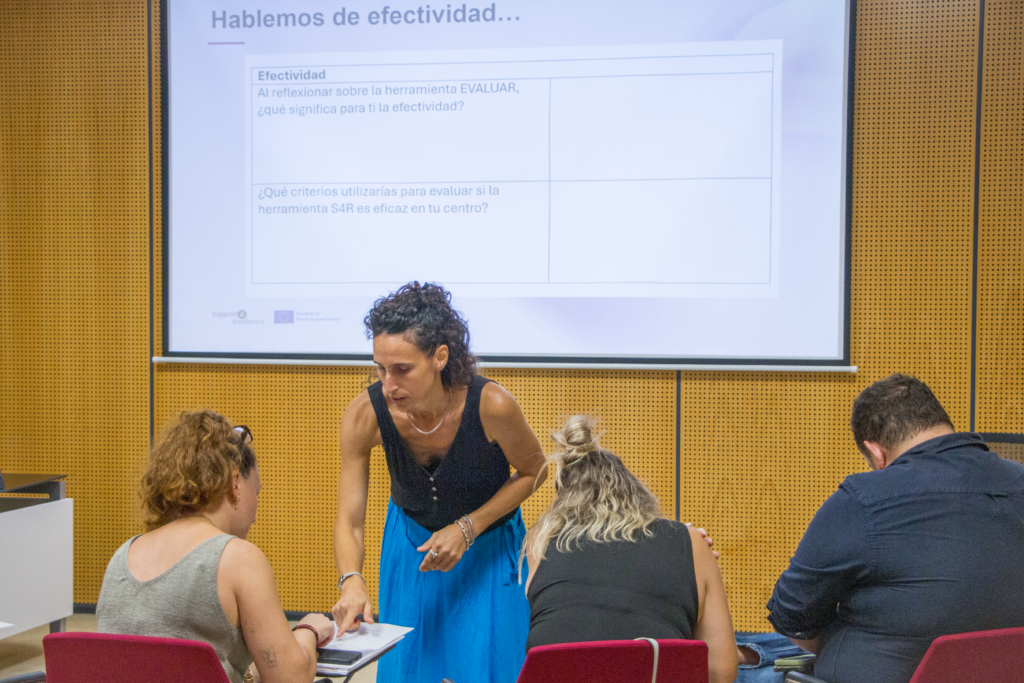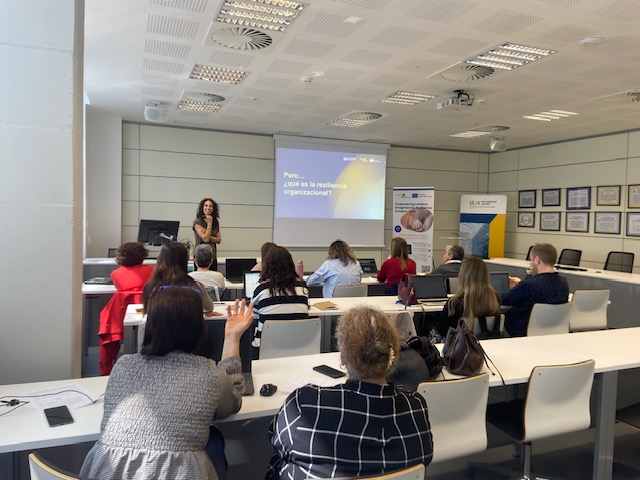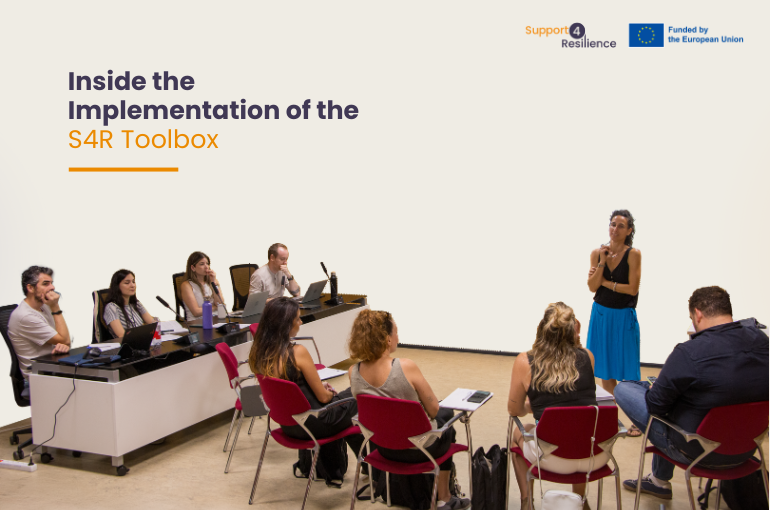
After months of evidence review, interviews, analysis, translation, testing, online meetings and productive discussions, the S4R Toolbox is finally up and running, and ready for its implementation.
The research team has been conducting interviews with local leaders, workers and informal caregivers in each of the participating elderly care homes where the tool will be implemented and tested across seven countries. This allowed us to identify and interact with the care homes’ stakeholders, representing an opportunity for the Support4Resilience team to gather their perspectives about quality of care and resilience. Among others, we gather evidence about what is quality of care and how it is implemented in their elderly care centres, what resilience means to them, what challenges they face in their work routines and how they deal with them, and which protocols they follow to ensure a care of quality whilst maintaining personal and institutional resilience.
The coordinating team in charge of developing the toolbox has been working hard to include in the S4R Toolbox all the information gathered from the scientific evidence reviewed and the input collected from the stakeholders in the participating centres. And they have done a great job!
What does the implementation involve at this stage?
The implementation phase is a key step in our project. It involves working in collaboration with local leaders in each of the participating countries (Spain, Italy, Norway, Finland, Romania, Netherlands, and Australia).
We will train leaders to use the S4R Toolbox, and we will support them whilst they implement the toolbox in their care homes.
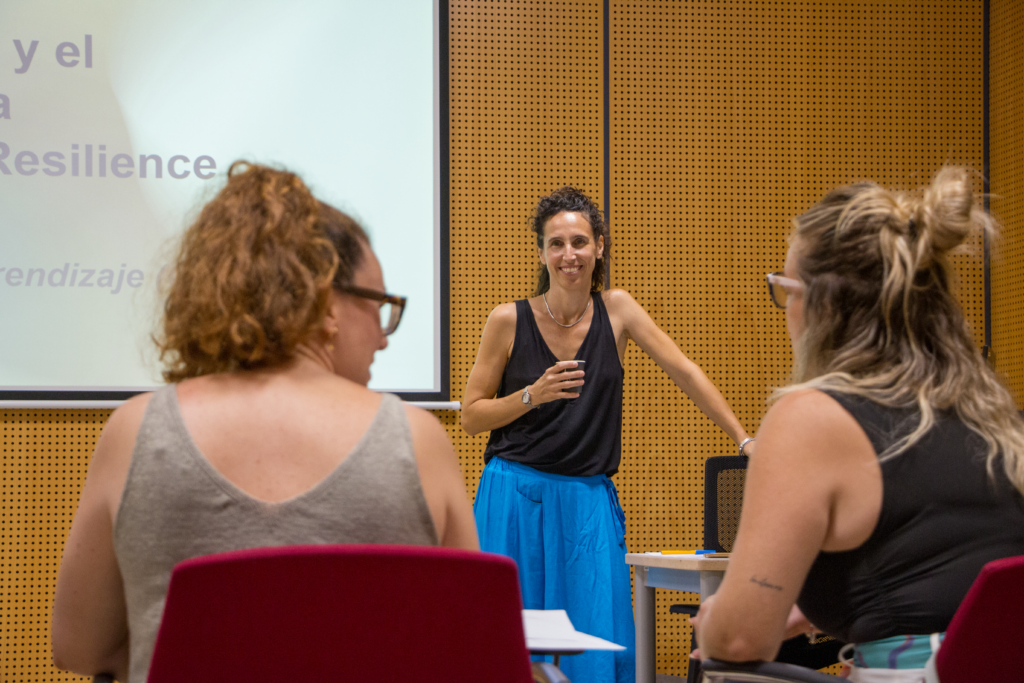
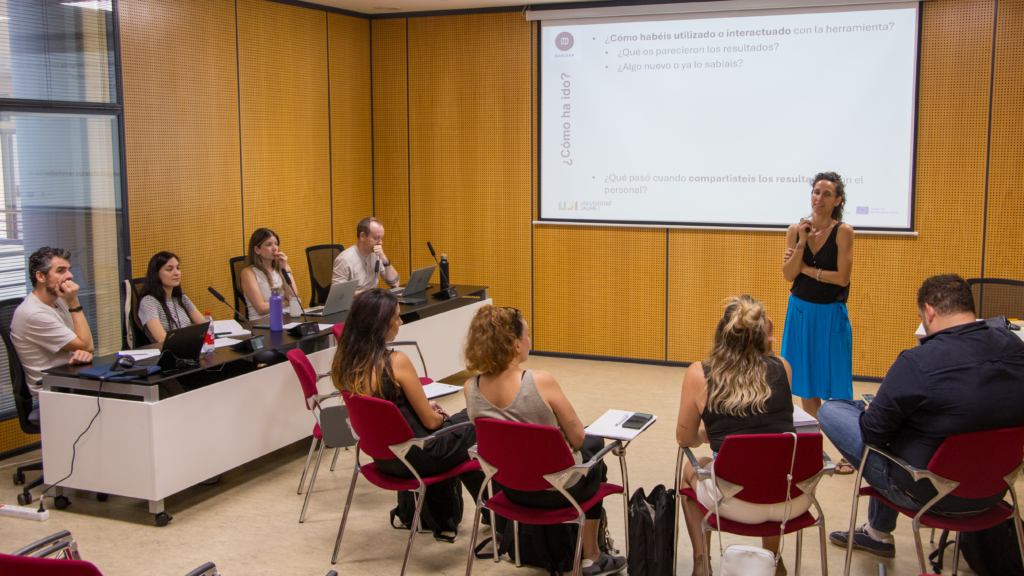
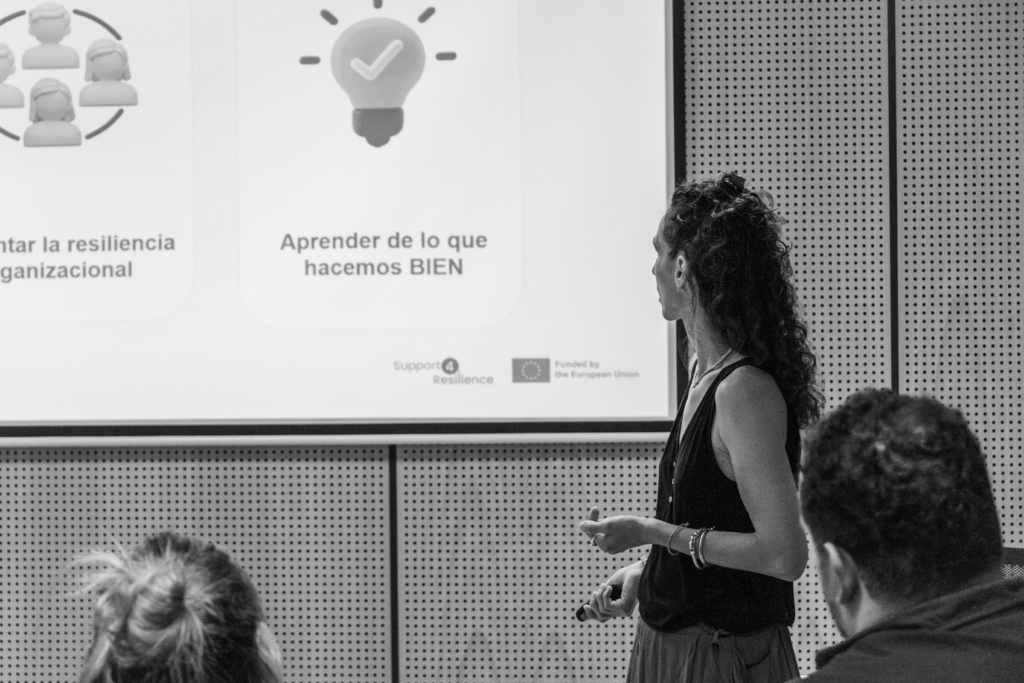
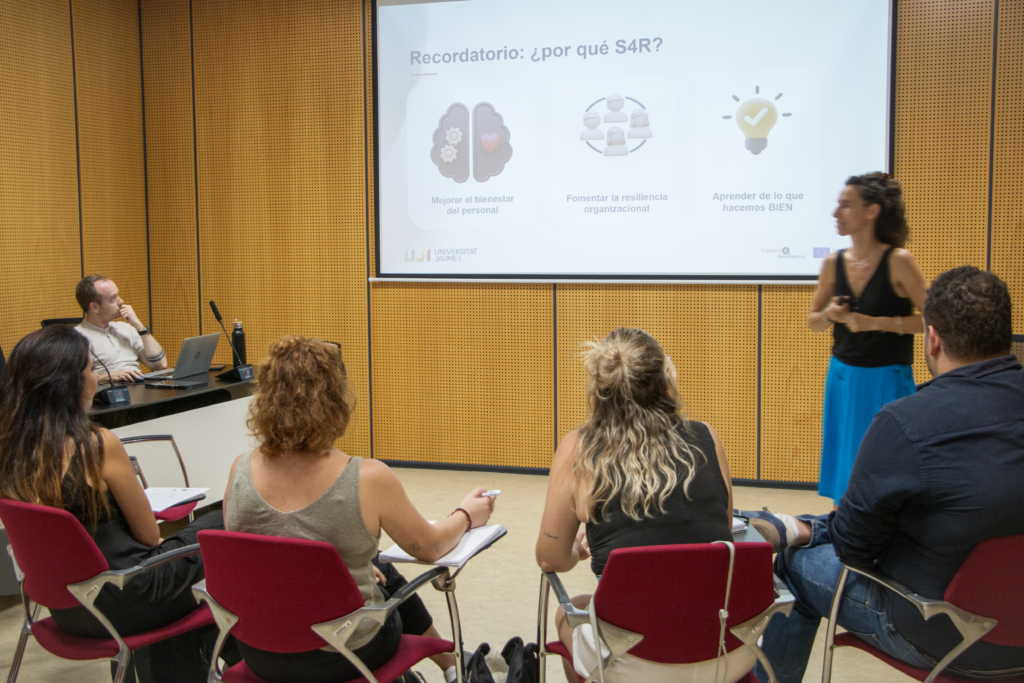
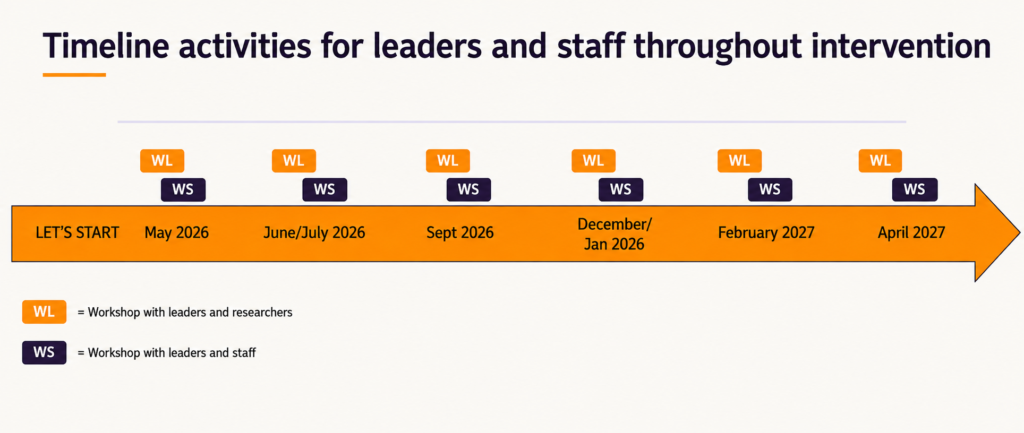
Over the course of the implementation, six Local Learning Collaborative (LLC) sessions will be held. In each of the sessions we will present how to use a part of the tool, so they can confidently use the tool in their own centres. Starting from the second LLC we will gather their comments and feedback on how they were able to use the tool in their own settings.
Mindful of the workload of the leaders and workers in elderly care centres, we have scheduled the LLC across 12 months to ease the implementation phase in the participating centres.
In Spain, so far, we have conducted sessions with local leaders to train them on using the first part of the toolbox: the MAP tool. This allows leaders to gather feedback from workers and family members around 6 core themes: training, work-life balance, staff autonomy, shared expectations, relationships and collaborations.
During these sessions, leaders had the opportunity to answer the short questionnaire themselves, both as if they were workers and also as family members. This exercise helped them to understand what kind of feedback they would be able to receive using the S4R Toolbox in their centres.
Initial feedback has been very positive
They liked the questions that could help them map the resilience situation in their centres. In addition, they also appreciated the collaborative session that allowed them to engage with colleagues from other elderly care centres. The coffee break was also appreciated as an opportunity to meet colleagues and foster informal conversations among leaders from different care homes too.
The next step is to see how the toolbox supports care homes in their day-to-day practice.
As implementation progresses across all participating countries, we will continue sharing updates, lessons learned and the experiences of the organizations taking part in the project.